Call us now :08045811570
 Send Inquiry
 Send Inquiry
Bifacial Solar Panels
Price 33.0 INR/ Watt
MOQ : 3 Watts
Bifacial Solar Panels Trade Information
- Minimum Order Quantity
- 3 Watts
- Supply Ability
- 50 Watts Per Day
- Delivery Time
- 4 Days
- Main Domestic Market
- Maharashtra
About Bifacial Solar Panels
Bifacial Solar Panels
A growing segment, especially for large-scale commercial and utility projects. They are a variation of monocrystalline technology.
How to Identify: They have a transparent backsheet and often a frameless design.
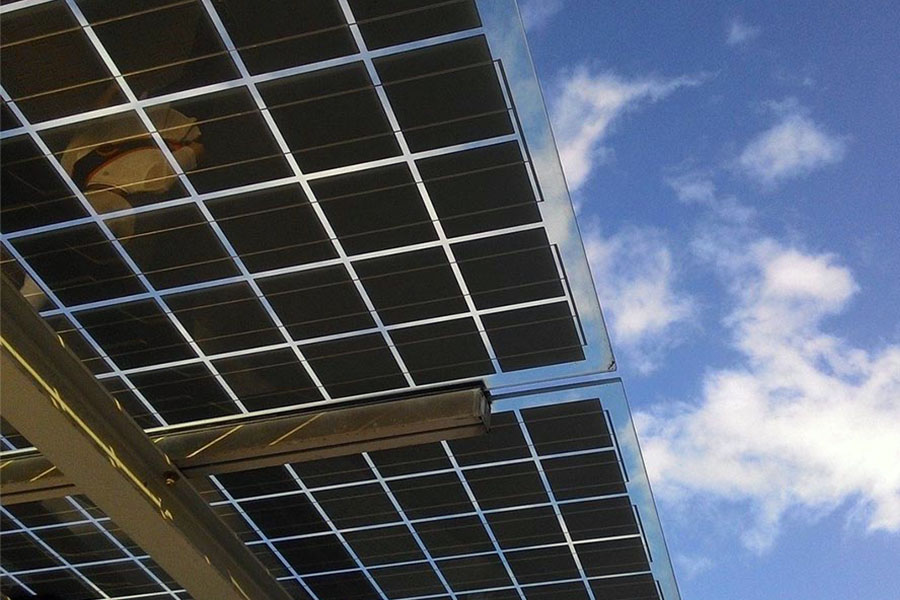
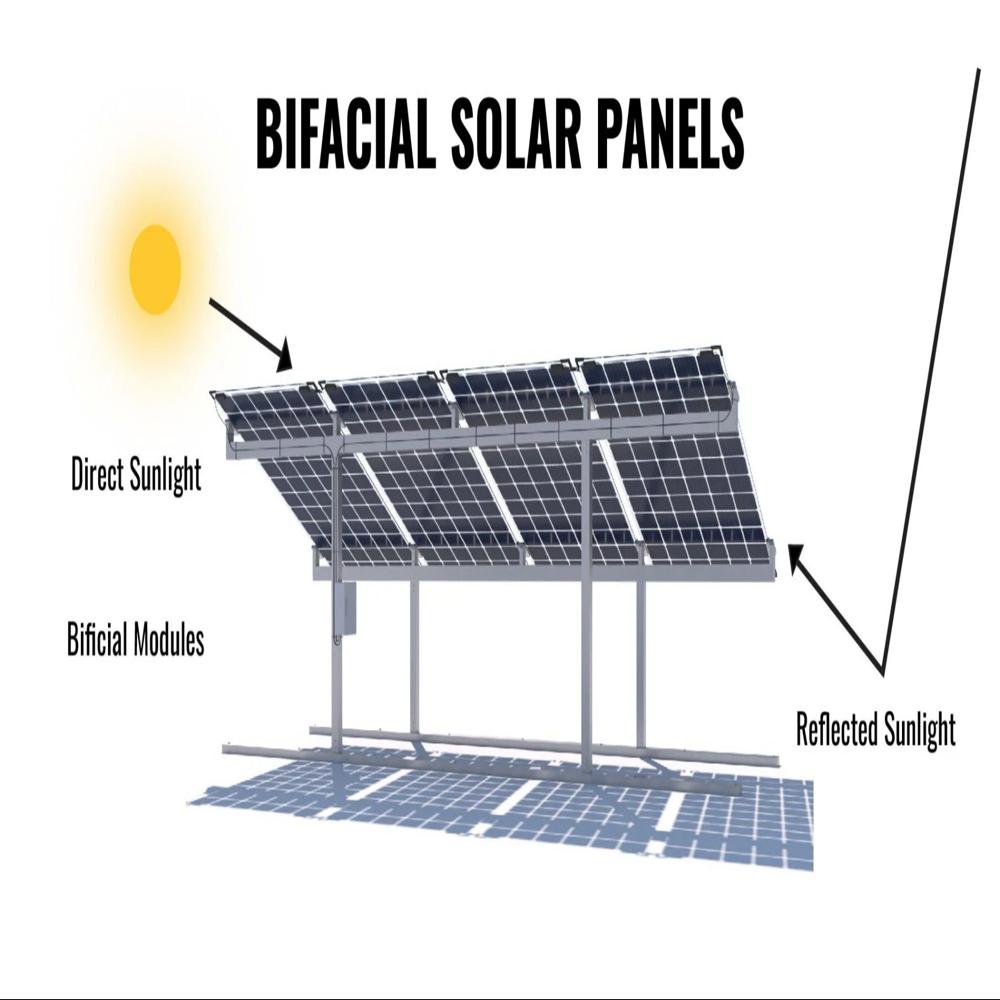
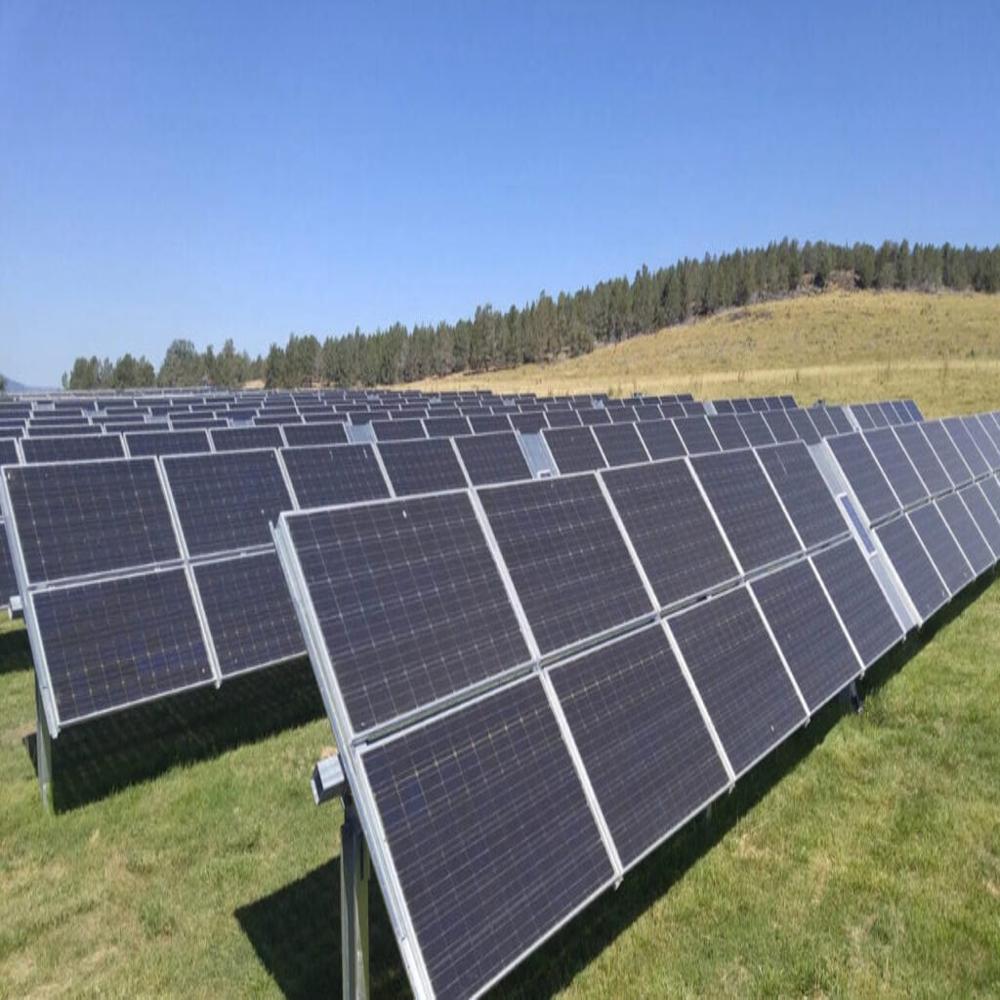
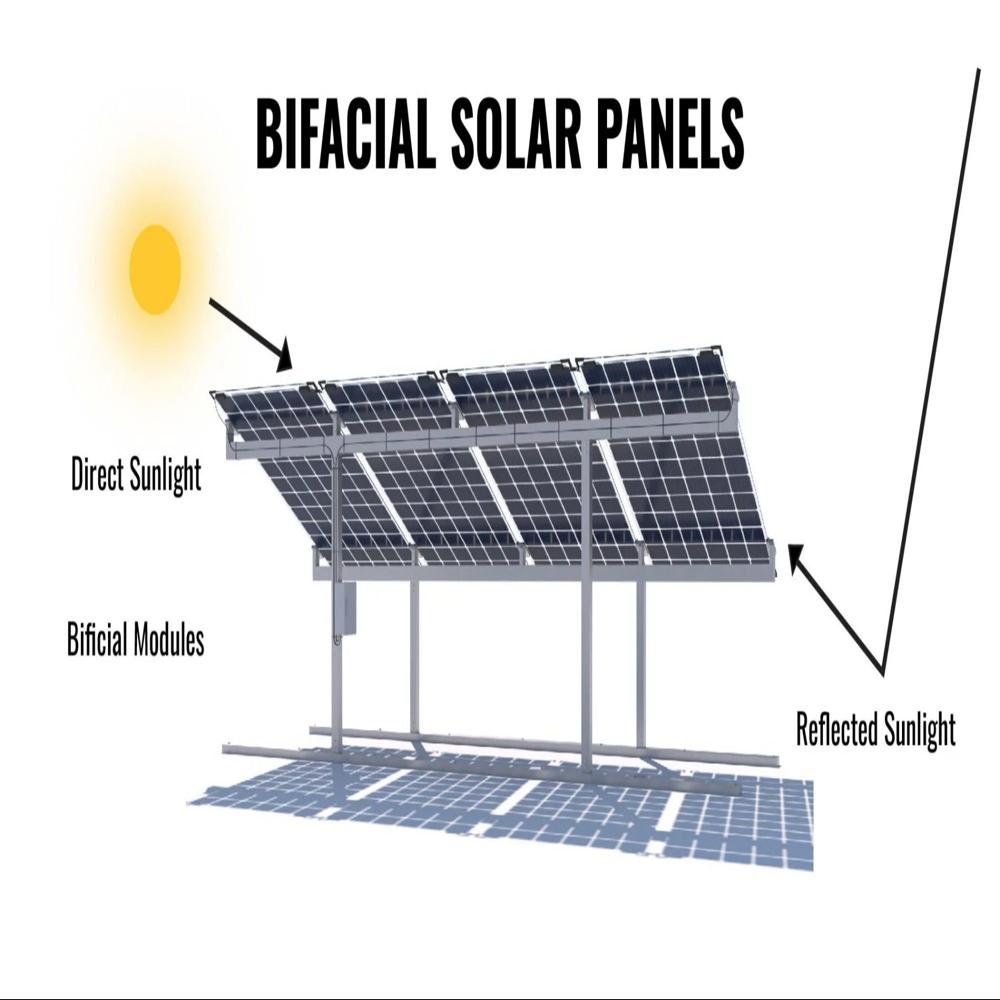
Technology: Can capture sunlight from both the front and the rear side. The rear side captures light reflected from the ground (e.g., white terrace, gravel).
Efficiency: Can produce 5% to 20% more energy than a standard monofacial panel of the same rated capacity, depending on reflectivity (albedo) of the surface beneath.
Pros:
Higher Energy Yield: Generate more power in the same footprint.
Durability: Often come with stronger frames and longer warranties.Often double-glass modules, making them more robust and longer-lasting.
Cons:
Higher Initial Cost: More expensive than standard mono panels.
Installation Specifics: Require elevated mounting (e.g., using raised structures) to allow light to reach the back, which can add to the cost.
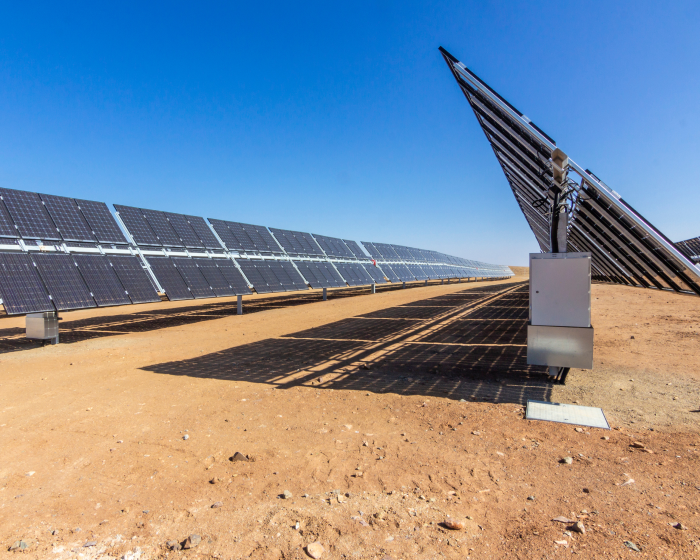
Best For: Large commercial buildings, industrial sheds, solar carports, and ground-mounted systems where they can be installed high above a reflective surface.
Is Bifacial Worth It? Bifacial panels only make financial sense if you can create the conditions for them to generate extra power. This means:
Installing them on elevated structures (increasing mounting cost).
Having a highly reflective surface underneath (e.g., a white painted "Terrace Cool" coating, or a galvanized steel roof).
Tell us about your requirement

Price:
Quantity
Select Unit
- 50
- 100
- 200
- 250
- 500
- 1000+
Additional detail
Mobile number
Email

More Products in Solar Panels Category

 Send Inquiry
Our Products
- Printing Services
- Packaging Box Printing Service
- Epoxy Flooring Service
- Tags and Labels Printing Service
- Catalogue & Brochure Printing Services
- Book Printing Services
- Barcode Printing Service
- Business Card Printing Service
- Outdoor Led Display Screen
- Outdoor Led Video Wall
- Ev Charging Station
- Solar Panels
- Pharmaceutical Box Printing Service
- Cosmetics Packaging and Printing Service
- Food Packaging and Printing Service
- Electronic Packaging And Printing Services

A-412, Sussex Industrial Estate, Dadoji Konddev Marg, Ghodapdeo, Byculla East, Mumbai - 400027, Maharashtra, India

Mr Aniket Ashok Gaikar
(AVP Projects And Operations)
Mobile :08045811570
 Send Inquiry
 Send SMS
Developed and Managed by Infocom Network Private Limited.
