
Call us now :08045811570
 Send Inquiry
 Send Inquiry
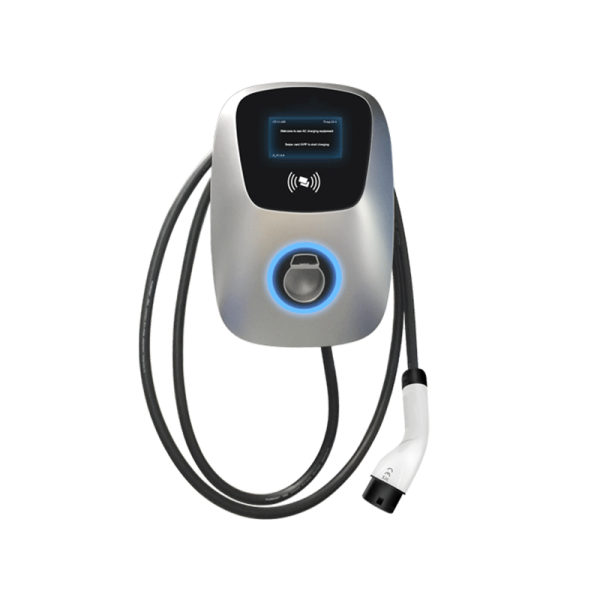
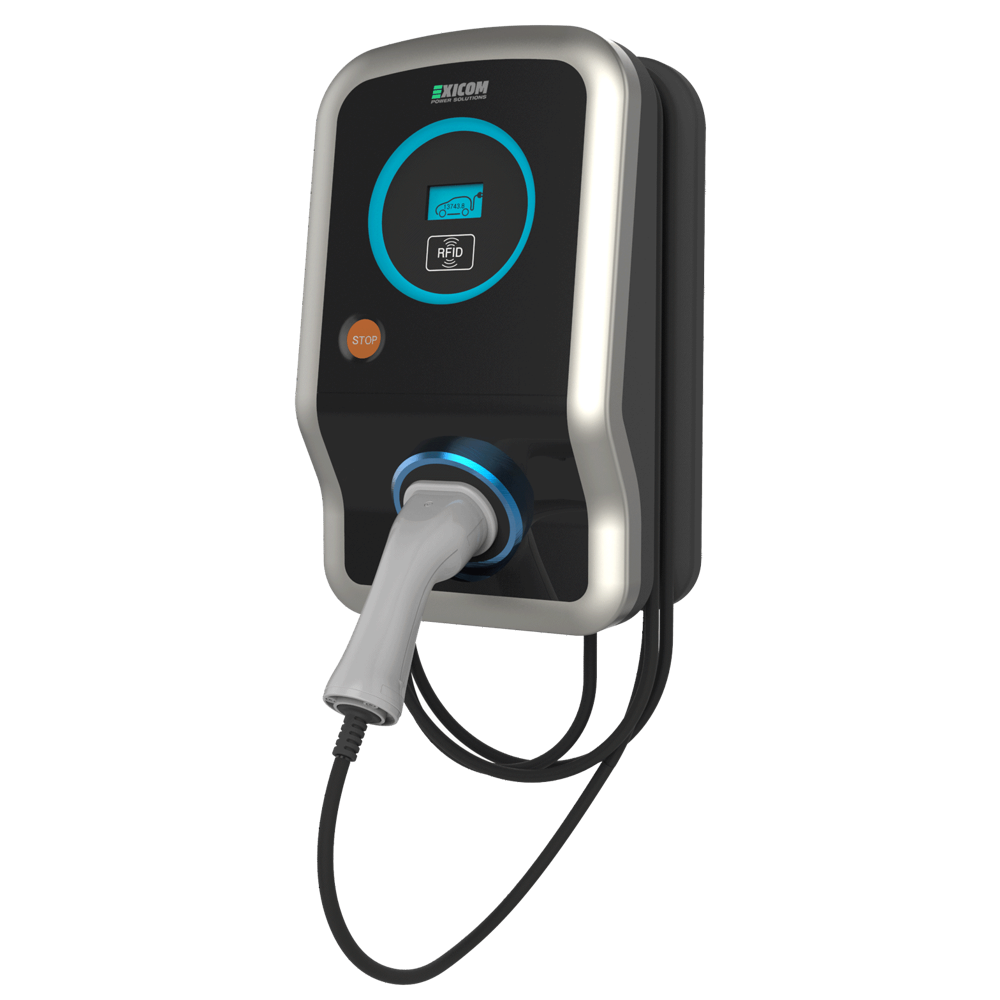
Electric Vehicle 3.3 kW AC Charger
Price 5500.0 INR/ Piece
MOQ : 1 Piece
Electric Vehicle 3.3 kW AC Charger Specification
- Motor Power
- 3.3 Kilowatt (kW)
- Product Model
- C3401403425-2
- Origin
- India
- Charger Type
- AC Charger
- Usage & Applications
- Electric Vehicle
- Input Voltage
- 240 Volt (V)
Electric Vehicle 3.3 kW AC Charger Trade Information
- Minimum Order Quantity
- 1 Piece
- Supply Ability
- 50 Pieces Per Day
- Delivery Time
- 4 Days
- Main Domestic Market
- All India
About Electric Vehicle 3.3 kW AC Charger
At its core, an AC Charger is a device that delivers Alternating Current (AC) electricity from the grid to an electric vehicle. It's more accurately called EV Supply Equipment (EVSE) because the actual chargerthe component that converts AC power to the Direct Current (DC) power needed to charge the batteryis built into the car itself.
Think of it this way:
The EVSE the charging station is a sophisticated, safety-certified extension cord and communication device.
The On-Board Charger inside the car is the real charger that does the heavy lifting of conversion.
How Does AC Charging Work?
The process is a carefully managed handshake between the car and the charging station:
Connection: You plug the connector into your car's charging port.
Communication: The EVSE and the car communicate digitally. The car tells the EVSE what it can handle (e.g., maximum current), and the EVSE tells the car what it can deliver.
Safety Check: The EVSE performs critical safety checks, ensuring there are no faults (like a ground fault) before allowing power to flow.
Charging: Once the all clear is given, the EVSE closes an internal relay, and AC power flows to the vehicle.
Conversion: The car's On-Board Charger (OBC) converts the incoming AC power to DC power, which is then managed by the Battery Management System (BMS) to safely store energy in the high-voltage battery.
Completion: Charging stops when the vehicle's BMS signals it is full, or when the user manually stops the session.
Key Characteristics of AC Charging
Slower than DC Fast Charging: The speed is limited by the capacity of the car's internal On-Board Charger (typically 3.7 kW to 22 kW). This makes it ideal for long, unattended periods like overnight or during the workday.
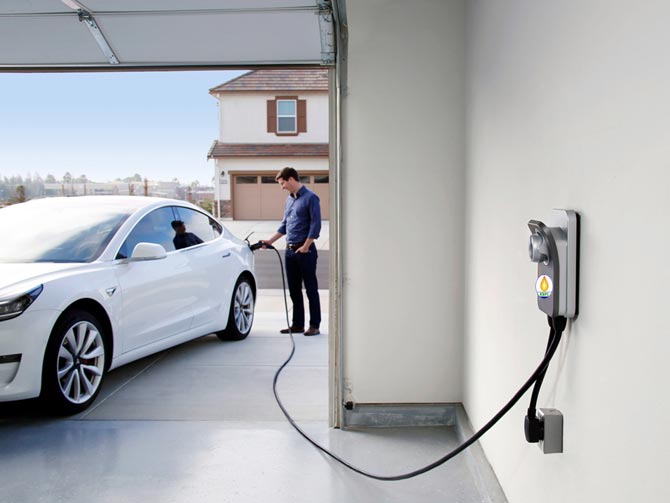
Destination Charging: AC chargers are the primary type found at homes, workplaces, hotels, and shopping centersplaces where a car will be parked for several hours.
Battery Health: The slower, gentler charging profile of AC charging is generally considered better for long-term battery health compared to frequent use of high-power DC fast charging.
Types and Power Levels of AC Chargers
AC Chargers are categorized by their power level, which directly translates to charging speed.
1. Level 1 Charging (AC)
Power: 1.2 - 1.4 kW (120V AC, 12-15 Amps)
Typical Use: Home charging using a standard household outlet (in North America).
Speed: Very slow. Adds about 3-5 miles of range per hour.
Best For: Plug-in Hybrid Electric Vehicles (PHEVs) or BEV owners with very low daily driving distances (<40 miles). It's often the "emergency" cable that comes with the car.
2. Level 2 Charging (AC)
Power: 3.7 kW to 19.2 kW (240V AC, up to 80 Amps). The most common public and home units are 7.4 kW (32A) or 11 kW (48A).
Typical Use: Dedicated home charging stations, workplaces, public parking, commercial locations.
Speed: Significantly faster. Adds about 12-80 miles of range per hour, depending on the power of the EVSE and the car's OBC limit.
Best For: Overnight charging at home or top-up charging during the day. This is the workhorse of the EV charging ecosystem.
Connector Types for AC Charging
The connector used depends on the region and the vehicle:
Mennekes (Type 2): The standard connector for AC charging. It supports single-phase and three-phase power, allowing for higher power levels (up to 22 kW or 43 kW on some models).
Key Features of Modern AC Chargers (EVSEs)
Smart Connectivity: Wi-Fi or 4G connectivity allows for remote monitoring, scheduling charging during off-peak hours, receiving software updates, and integration with utility demand-response programs.
Load Management: For home or commercial installations, this feature can dynamically adjust charging power to avoid overloading the main electrical panel, especially when multiple chargers are installed.
Access Control: RFID cards, apps, or PIN codes to restrict usage to authorized users, which is essential for paid or private charging.
Cable Management: Retractable cables or holsters to keep the area tidy and safe.
Durability: Designed for outdoor use, rated for weather (e.g., NEMA 4 or IP65).
Pros and Cons of AC Charging
Pros:
Gentler on Battery Health - Slower charging generates less heat.
Cost-Effective - Equipment and installation are generally cheaper than DC fast chargers.
Widely Available - The most common type of charger at homes and destinations.
Ideal for "Topping Up" - Perfect for use while the car is parked for extended periods.
Cons:
Slower Charging Speed - Not suitable for rapid, long-distance travel.
Speed Limited by Car - The car's On-Board Charger is the bottleneck.
Summary
EV AC Chargers are the "everyday" charging solution. They are not for rapid refueling on a road trip but are essential for keeping an EV powered up during its normal daily lifeat home overnight, at the office, or while shopping. Their reliability, lower cost, and compatibility with long parking durations make them the backbone of the EV infrastructure.
Tell us about your requirement

Price:
Quantity
Select Unit
- 50
- 100
- 200
- 250
- 500
- 1000+
Additional detail
Mobile number
Email

More Products in Ev Charging Station Category
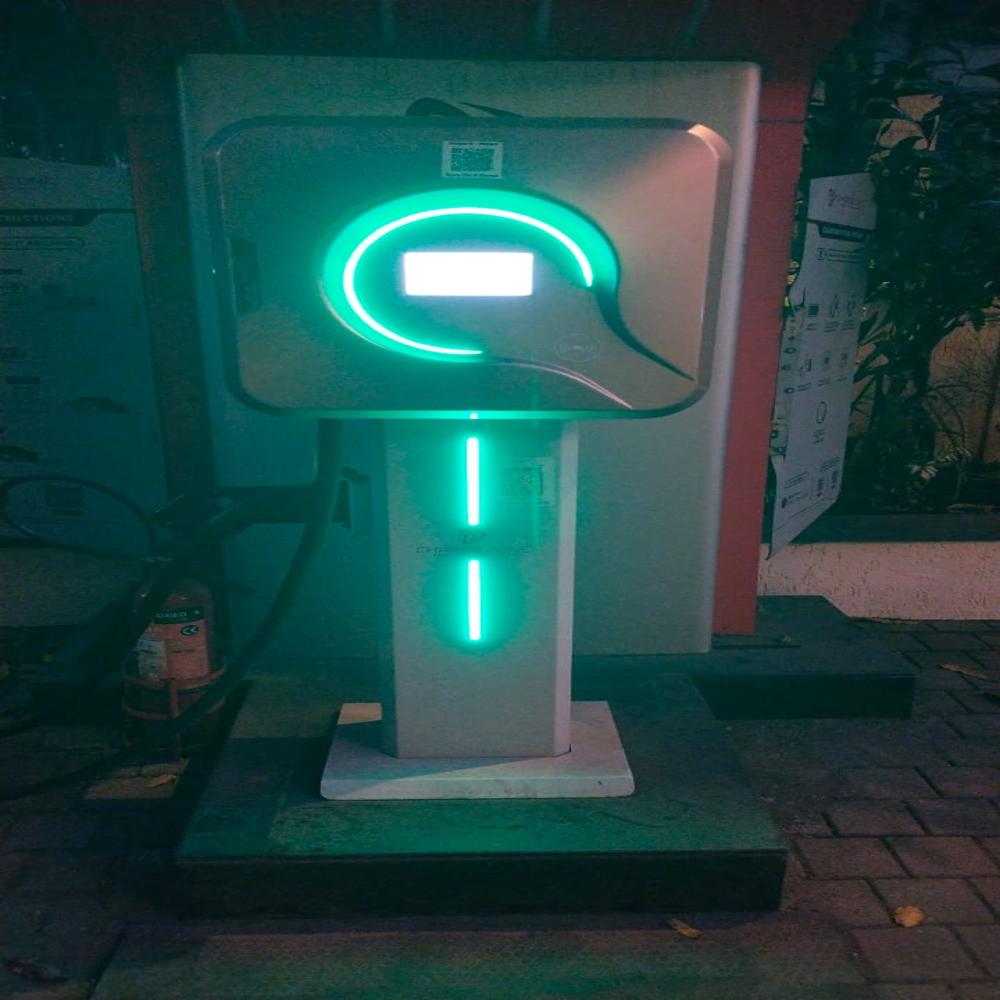
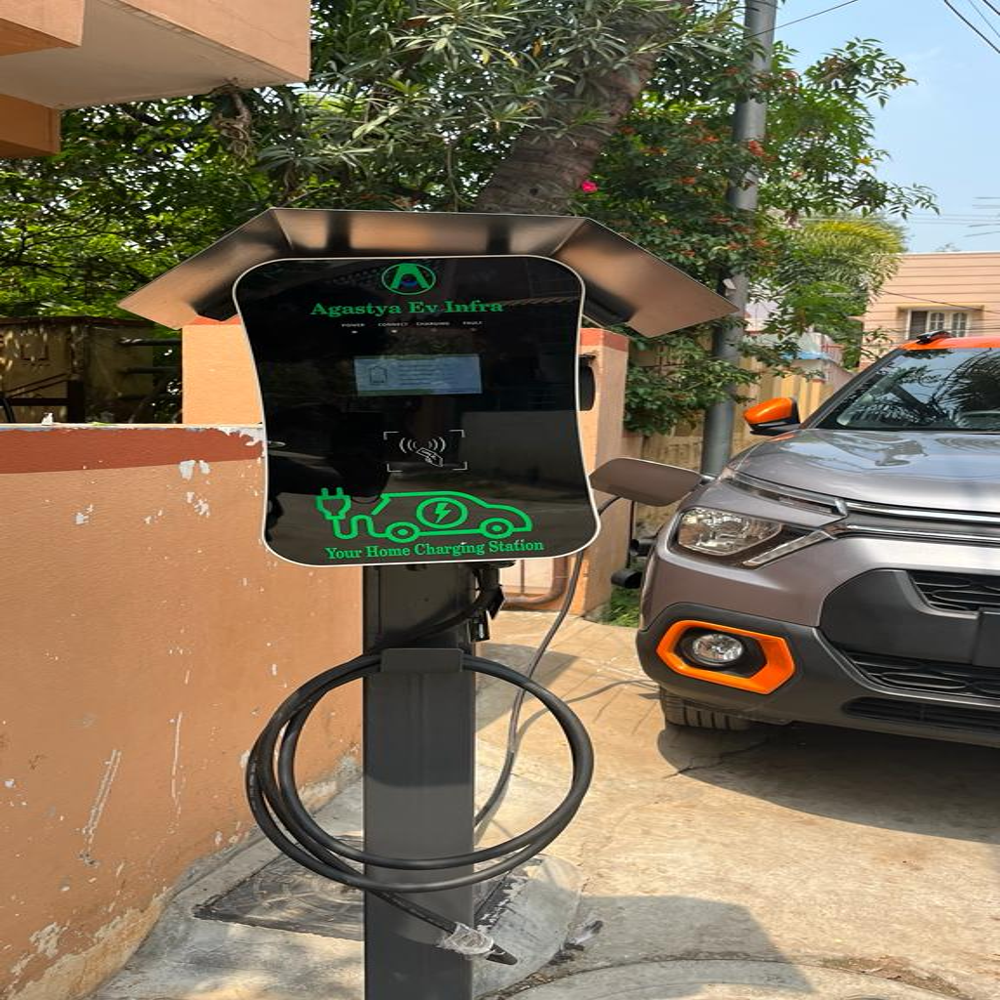
Electric Vehicle 11 kW AC Charger
Price 29000.0 INR / Piece
Minimum Order Quantity : 1 Case
Input Voltage : 230V/400V AC
Motor Power : 11 Kilowatt (kW)
Frequency : 50/60 Hz
Charger Type : AC Charger
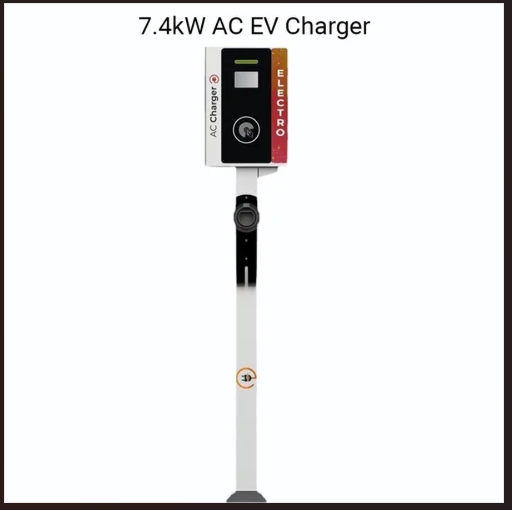
Electric Vehicle 7.4 kW AC Charger
Price 18500.0 INR / Piece
Minimum Order Quantity : 1 Parcel
Input Voltage : 230V AC 15%
Motor Power : 7.4 Kilowatt (kW)
Frequency : 50/60 Hz
Charger Type : AC Charger
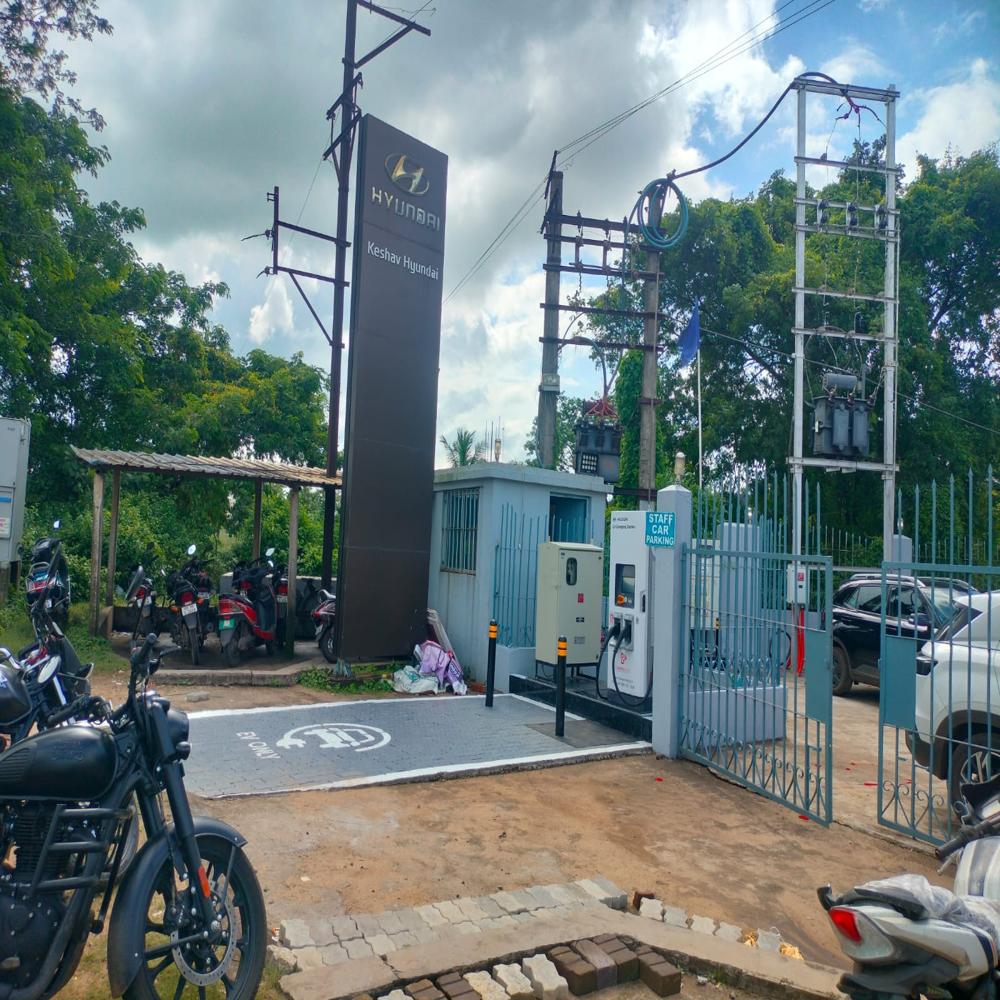
Electric Vehicle 22 kW AC Charger
Price 59000.0 INR / Piece
Minimum Order Quantity : 1 Piece
Input Voltage : 380415 VAC (Three Phase)
Motor Power : 22 Kilowatt (kW)
Frequency : 50/60 Hz
Charger Type : AC Charger
Electric Vehicle 60 kW DC Charger
Price 690000.0 INR / Piece
Minimum Order Quantity : 1 Piece
Input Voltage : 200500 Volt (V)
Motor Power : 60 Kilowatt (kW)
Frequency : 5060 Hertz (HZ)
Charger Type : DC Charger

 Send Inquiry
Our Products
- Printing Services
- Packaging Box Printing Service
- Epoxy Flooring Service
- Tags and Labels Printing Service
- Catalogue & Brochure Printing Services
- Book Printing Services
- Barcode Printing Service
- Business Card Printing Service
- Outdoor Led Display Screen
- Outdoor Led Video Wall
- Ev Charging Station
- Solar Panels
- Pharmaceutical Box Printing Service
- Cosmetics Packaging and Printing Service
- Food Packaging and Printing Service
- Electronic Packaging And Printing Services

A-412, Sussex Industrial Estate, Dadoji Konddev Marg, Ghodapdeo, Byculla East, Mumbai - 400027, Maharashtra, India

Mr Aniket Ashok Gaikar
(AVP Projects And Operations)
Mobile :08045811570
 Send Inquiry
 Send SMS
Developed and Managed by Infocom Network Private Limited.
