
Call us now :08045811570
 Send Inquiry
 Send Inquiry
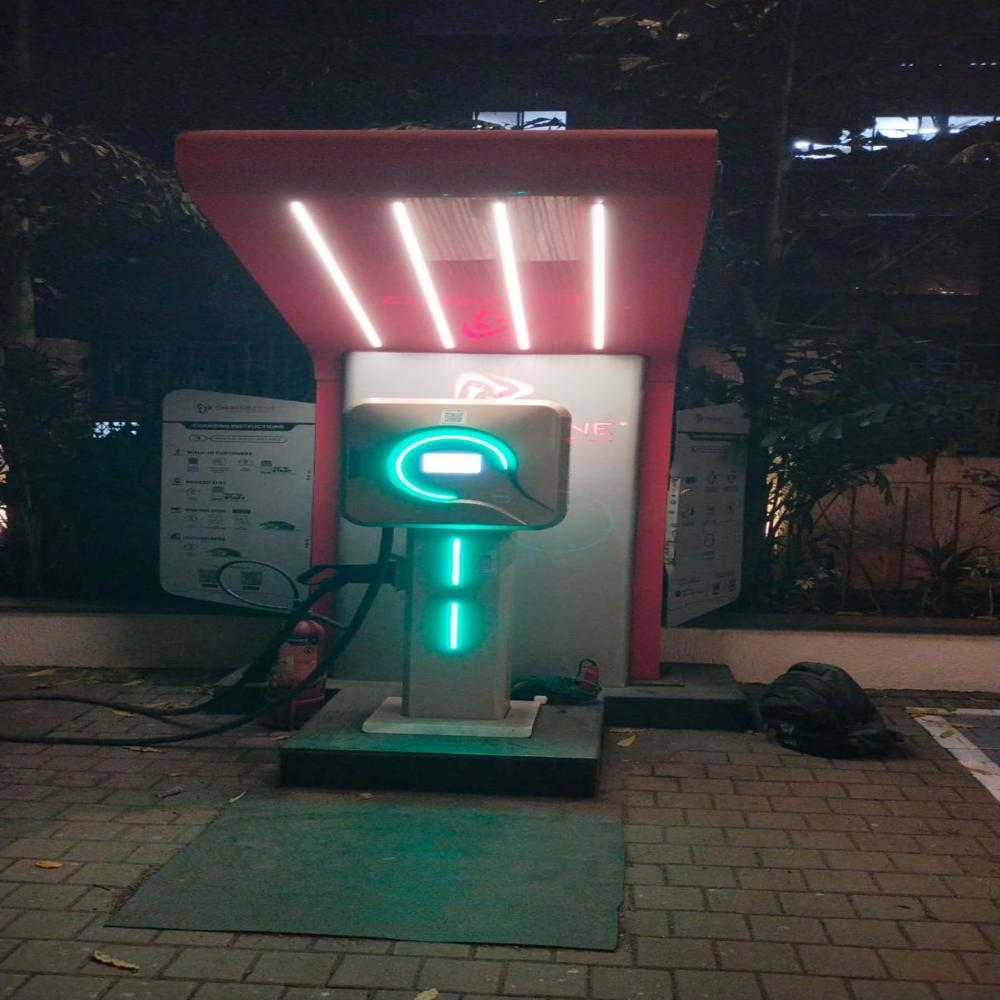
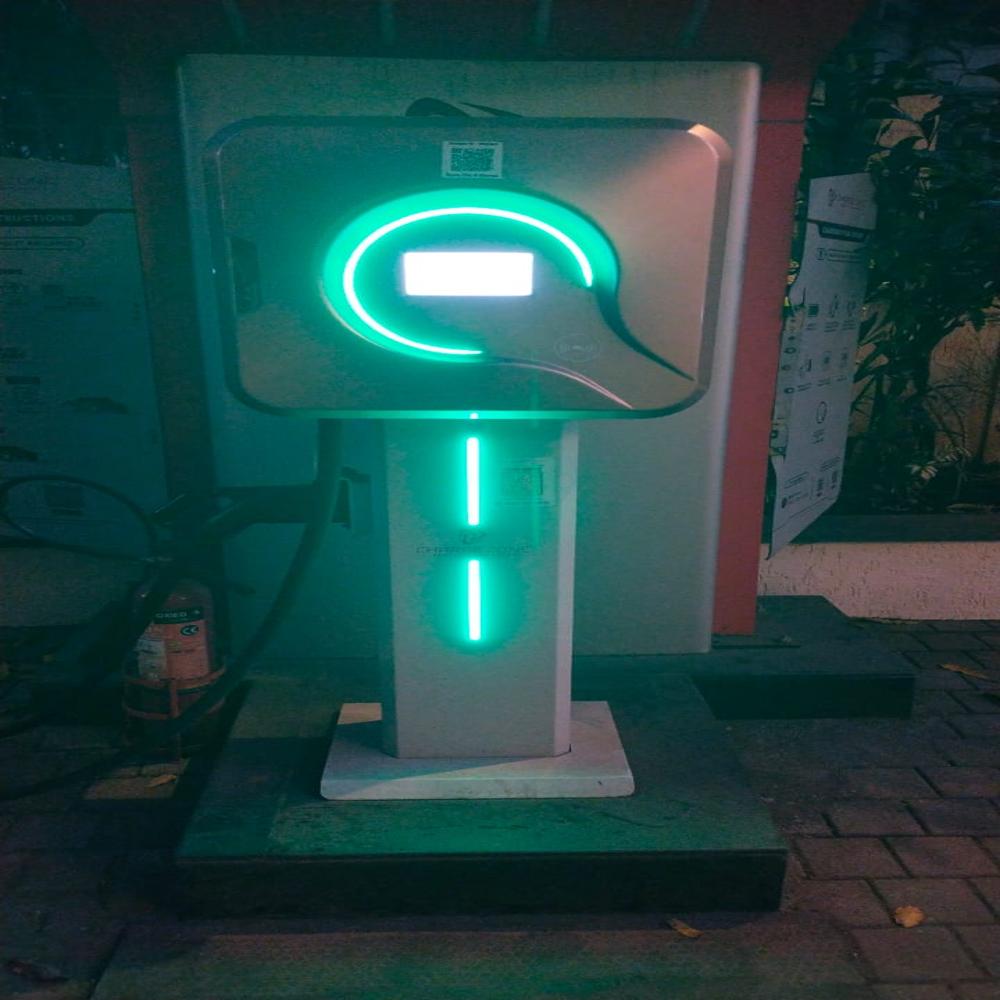
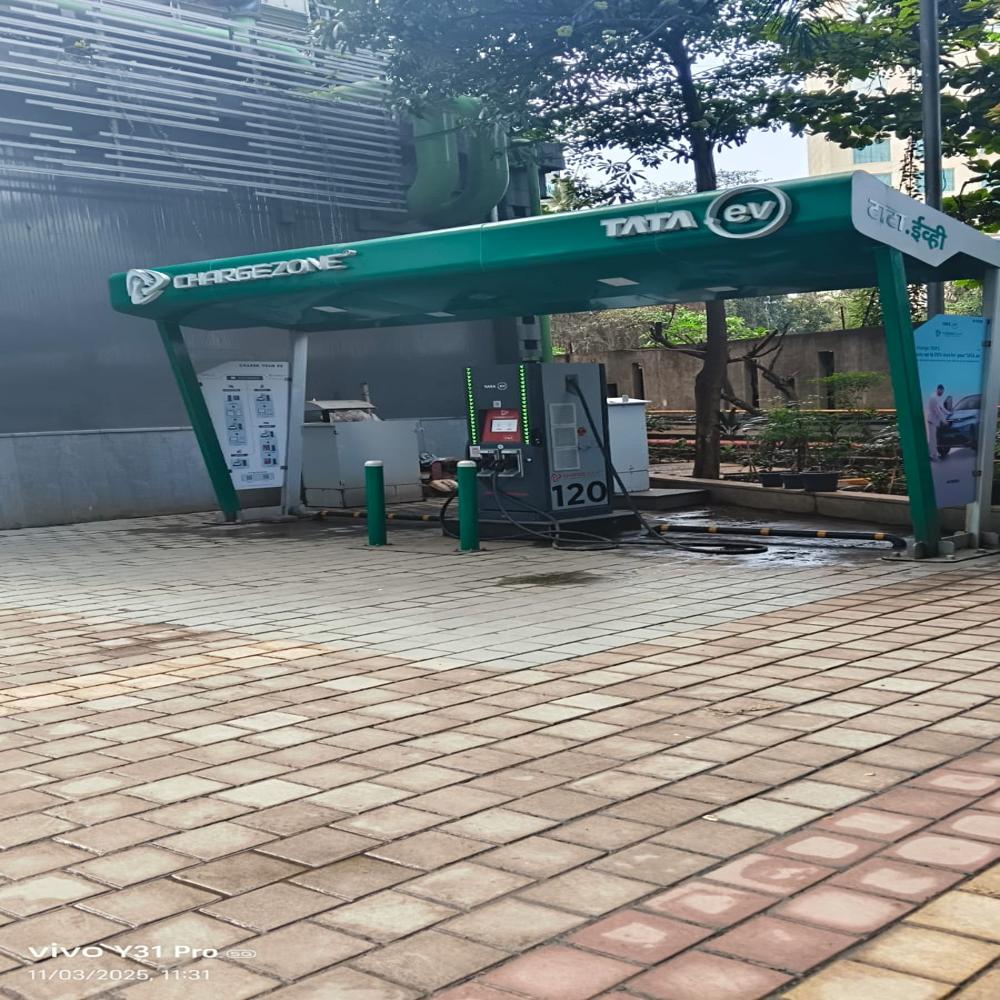
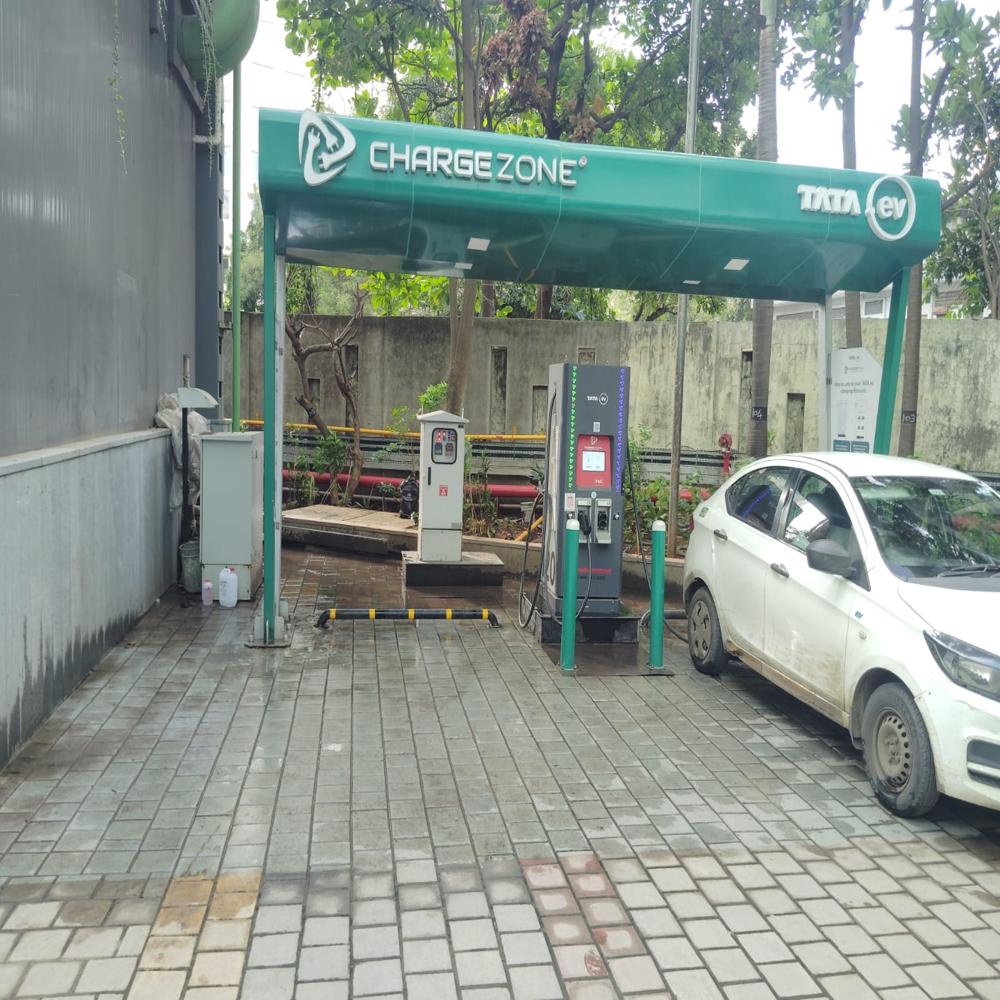
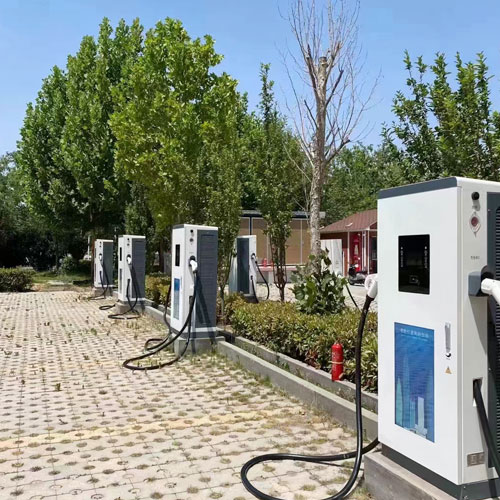
Electric Vehicle 120 kW DC Charger
Price 1280000.0 INR/ Piece
MOQ : 1 Piece
Electric Vehicle 120 kW DC Charger Specification
- Charger Capacity
- 120 Kilowatt
- Input Voltage
- 200-920 Volt (V)
- Origin
- India
- Motor Power
- 120 Kilowatt (kW)
- Frequency
- 50-60 Hertz (HZ)
- Charger Type
- DC Charger
Electric Vehicle 120 kW DC Charger Trade Information
- Minimum Order Quantity
- 1 Piece
- Supply Ability
- 100 Pieces Per Month
- Delivery Time
- 4 Days
- Main Domestic Market
- All India
About Electric Vehicle 120 kW DC Charger
A 120 kW DC Fast Charger is a high-powered electric vehicle (EV) charging station designed to add a significant amount of range in a short period, typically 15 to 30 minutes. It bypasses the vehicle's internal charger, supplying DC electricity directly to the EV's battery, which allows for much faster charging speeds than AC chargers.Features & Specification:
Power Output: 120 kilowatts (kW) maximum.
Voltage: Typically operates between 200V and 920V DC to accommodate a wide range of EVs.
Current: Up to 350-500 Amps (A), depending on the specific charger model and cable.
Connector Types: CCS1 (North America) or CCS2 (Europe), and often CHAdeMO. Some may also include a NACS (Tesla) connector.
Charging Time: Can add 200-300 miles (320-480 km) of range in 15-30 minutes, depending on the EV's maximum acceptance rate and battery state.
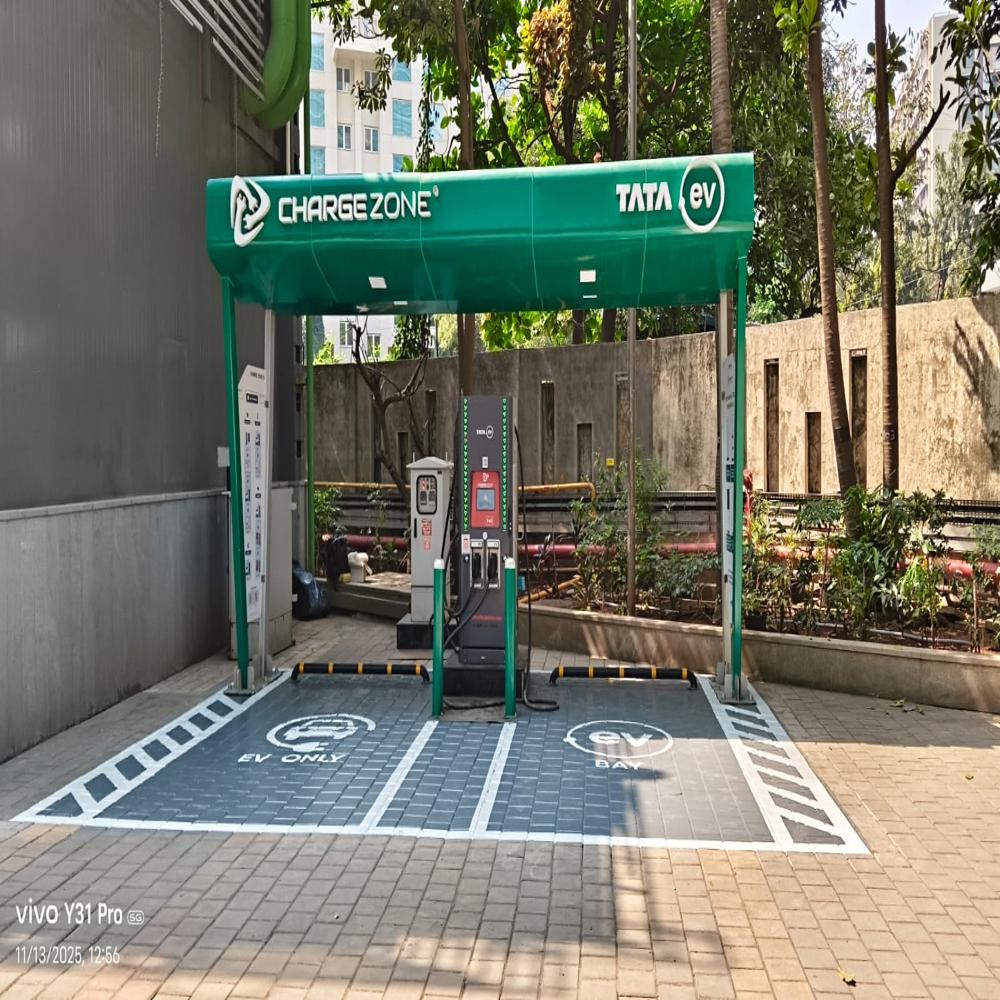
Typical Location: Highway rest stops, major retail hubs, fleet depots, and public charging corridors.
Detailed Technical Description:
1. Power Conversion and Components
The core function of a DC charger is to convert AC power from the electrical grid into stable DC power for the vehicle's battery.
- AC-DC Converter: This is the heart of the station. It uses powerful rectifiers and transformers to convert the incoming three-phase AC electricity (e.g., 480V AC) to the required high-voltage DC.
- Controller: A computer that manages the entire charging process. It communicates with the vehicle (via the CCS or CHAdeMO protocol), monitors safety, handles user authentication/payment, and regulates power output.
- Cooling System: To handle the heat generated by high-power electronics and cables, 120 kW chargers often have active liquid-cooling systems, especially in the charging cables and connectors.
- User Interface: A screen (often a touchscreen) for user interaction, status information, and payment processing. It also includes RFID readers, QR code scanners, and status indicator lights.
2. Charging Connectors
CCS (Combined Charging System): The most common standard. It combines the standard AC pins with two additional high-power DC pins. CCS1 is the standard plug in North America.
3. The Charging Process in Steps
- Authentication & Initiation: The user plugs in, authenticates via an app, RFID card, or credit card, and the charger initializes.
- Handshake & Communication: The charger and the EV communicate. The EV's Battery Management System (BMS) tells the charger its maximum voltage, current, and state of charge.
- Safety Checks: The charger performs insulation checks and other safety diagnostics.
- Charging Ramp-Up: The charger begins supplying power, starting at a lower level and ramping up to the maximum rate that both the car and charger can handle.
- Constant Power & Tapering: The charger delivers a near-constant 120 kW (if the car can accept it). As the battery fills up (typically above 80%), the car's BMS will request less power to protect the battery, a phase known as "tapering."
- Completion: Charging stops automatically when the car's BMS signals it is full or the user stops the session. The user unplugs and the transaction is finalized.
Vehicles That Can Use a 120 kW Charger
Most modern EVs can use a 120 kW charger.
The actual charging speed is determined by the vehicle's maximum DC charging capability.
A car with a max rate of 50 kW (e.g., older Nissan Leaf) will only charge at 50 kW, even when plugged into a 120 kW unit.
A car with a max rate of 150 kW or higher (e.g., Hyundai Ioniq 5, Ford Mustang Mach-E, many Teslas) will charge at up to 120 kW on this station, but could charge faster on a more powerful one.
In summary, a 120 kW DC Fast Charger is a crucial piece of public EV infrastructure, acting as a "workhorse" charger that provides a practical balance of speed, cost, and compatibility to support the growing adoption of electric vehicles.
In summary, a 120 kW DC Fast Charger is a crucial piece of public EV infrastructure, acting as a "workhorse" charger that provides a practical balance of speed, cost, and compatibility to support the growing adoption of electric vehicles.
Tell us about your requirement

Price:
Quantity
Select Unit
- 50
- 100
- 200
- 250
- 500
- 1000+
Additional detail
Mobile number
Email

More Products in Ev Charging Station Category
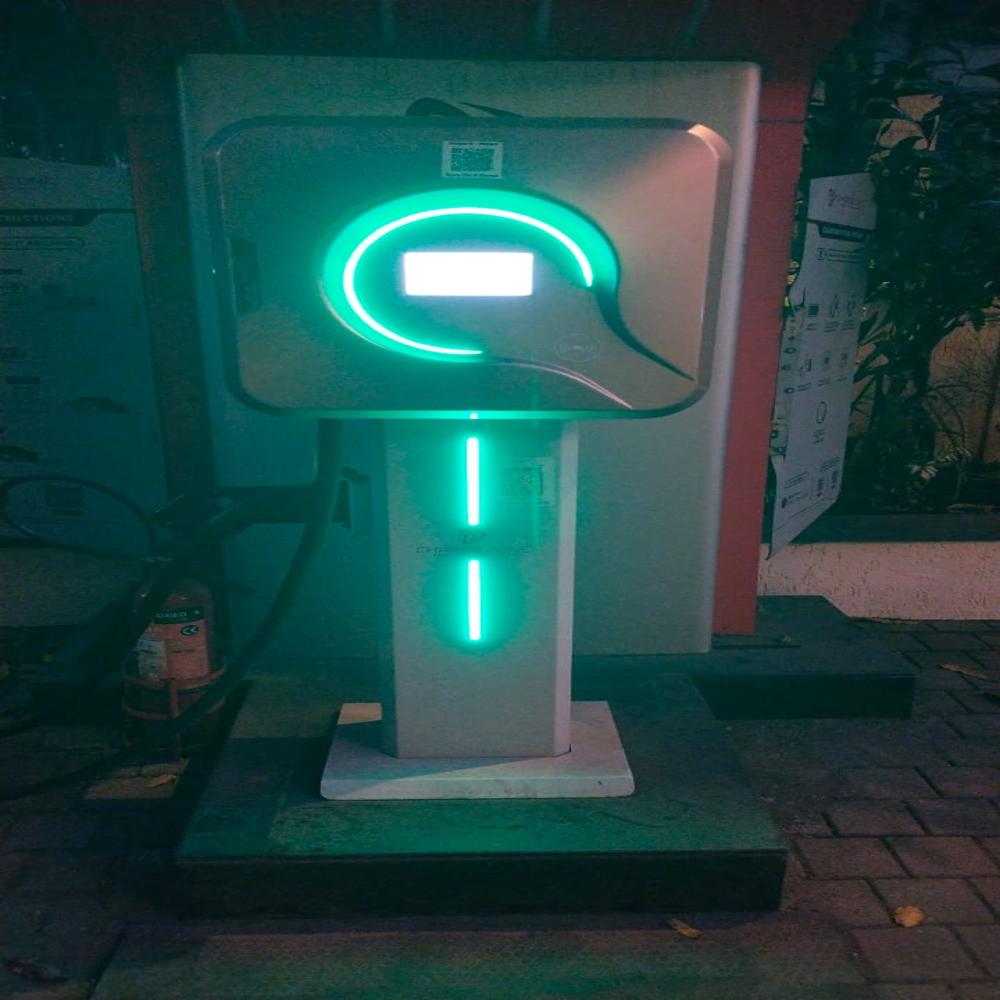
Electric Vehicle 11 kW AC Charger
Price 29000.0 INR / Piece
Minimum Order Quantity : 1 Case
Motor Power : 11 Kilowatt (kW)
Usage & Applications : Charging electric vehicle batteries
Charger Type : AC Charger
Input Voltage : 230V/400V AC
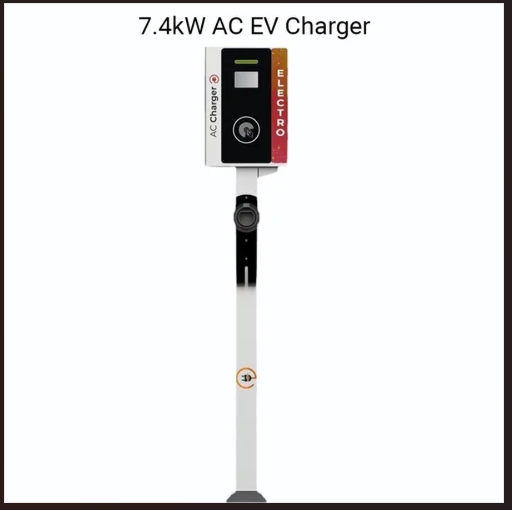
Electric Vehicle 22 kW AC Charger
Price 59000.0 INR / Piece
Minimum Order Quantity : 1 Piece
Motor Power : 22 Kilowatt (kW)
Usage & Applications : Electric Vehicle Charging
Charger Type : AC Charger
Input Voltage : 380415 VAC (Three Phase)
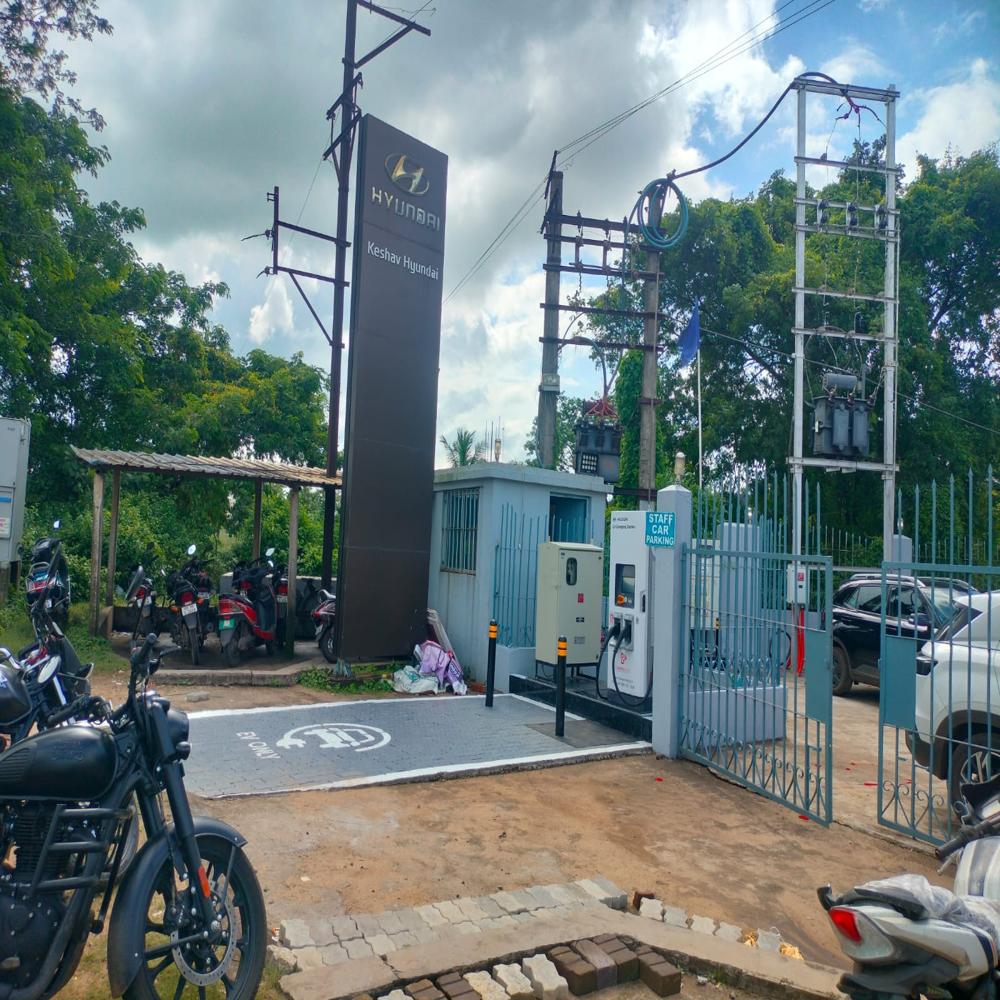
Electric Vehicle 60 kW DC Charger
Price 690000.0 INR / Piece
Minimum Order Quantity : 1 Piece
Motor Power : 60 Kilowatt (kW)
Usage & Applications : Highway Rest Stops & Corridors; Urban & Suburban Hubs; Fleet Depots; Dealerships and Auto Service Centers
Charger Type : DC Charger
Input Voltage : 200500 Volt (V)
Electric Vehicle 30 kW DC Charger
Price 380000.0 INR / Piece
Minimum Order Quantity : 1 Piece
Motor Power : 30 Kilowatt (kW)
Usage & Applications : Shopping Centers & Retail Parks, Restaurants and Cinemas, Fleet Depots, Public Car Parks, Highway Rest Stops.
Charger Type : DC Charger

 Send Inquiry
Our Products
- Printing Services
- Packaging Box Printing Service
- Epoxy Flooring Service
- Tags and Labels Printing Service
- Catalogue & Brochure Printing Services
- Book Printing Services
- Barcode Printing Service
- Business Card Printing Service
- Outdoor Led Display Screen
- Outdoor Led Video Wall
- Ev Charging Station
- Solar Panels
- Pharmaceutical Box Printing Service
- Cosmetics Packaging and Printing Service
- Food Packaging and Printing Service
- Electronic Packaging And Printing Services

A-412, Sussex Industrial Estate, Dadoji Konddev Marg, Ghodapdeo, Byculla East, Mumbai - 400027, Maharashtra, India

Mr Aniket Ashok Gaikar
(AVP Projects And Operations)
Mobile :08045811570
 Send Inquiry
 Send SMS
Developed and Managed by Infocom Network Private Limited.
