
Call us now :08045811570
 Send Inquiry
 Send Inquiry
Electric Vehicle 30 kW DC Charger
Price 380000.0 INR/ Piece
MOQ : 1 Piece
Electric Vehicle 30 kW DC Charger Specification
- Charging Time
- 30-60 Minutes
- Charger Type
- DC Charger
- Motor Power
- 30 Kilowatt (kW)
- Charger Capacity
- 30 kW
- Usage & Applications
- Shopping Centers & Retail Parks, Restaurants and Cinemas, Fleet Depots, Public Car Parks, Highway Rest Stops.
- Vehicle Model
- 2024
- Manufacturing Year
- 2025 Years
Electric Vehicle 30 kW DC Charger Trade Information
- Minimum Order Quantity
- 1 Piece
- Supply Ability
- 20 Pieces Per Week
- Delivery Time
- 4 Days
- Main Domestic Market
- All India
About Electric Vehicle 30 kW DC Charger
What is a 30 kW DC Fast Charger?
A 30 kW DC Charger is a type of Electric Vehicle Supply Equipment (EVSE) that provides direct current (DC) electricity directly to an electric vehicle's battery, bypassing the vehicle's onboard charger. It is considered a "Level 3" or "DC Fast Charger," although it sits at the lower end of the power spectrum for this category.
Its primary role is to add a significant amount of range in a relatively short time, typically 30-60 minutes, making it ideal for destinations where drivers spend a moderate amount of time.
How It Works: The Technical Breakdown
The key difference between DC and AC charging is where the conversion from AC (from the grid) to DC (for the battery) happens.
AC Charging: Grid AC -> Vehicle's Onboard Charger -> Battery DC. The onboard charger is limited in size and power (typically 7-11 kW, up to 22 kW for some models).
DC Fast Charging: Grid AC -> Charger's Internal Power Conversion System -> Battery DC. The charger itself is a powerful, external AC-to-DC converter.
Key Internal Components:
- Power Conversion System (PCS): The heart of the charger. It converts the incoming AC power (e.g., 3-phase 480V AC) into the precise DC power required by the EV's battery.
- Controller: A computer that manages the entire charging process. It communicates with the vehicle using the CCS (Combined Charging System), CHAdeMO, or GB/T protocol to negotiate voltage, current, and monitor the battery's state to ensure safe charging.
- Cable and Connector: Features a thick, liquid-cooled or passively cooled cable capable of handling high current. The connector is one of the DC fast-charging standards (most commonly CCS Combo 1 in North America, CCS Combo 2 in Europe, or CHAdeMO).
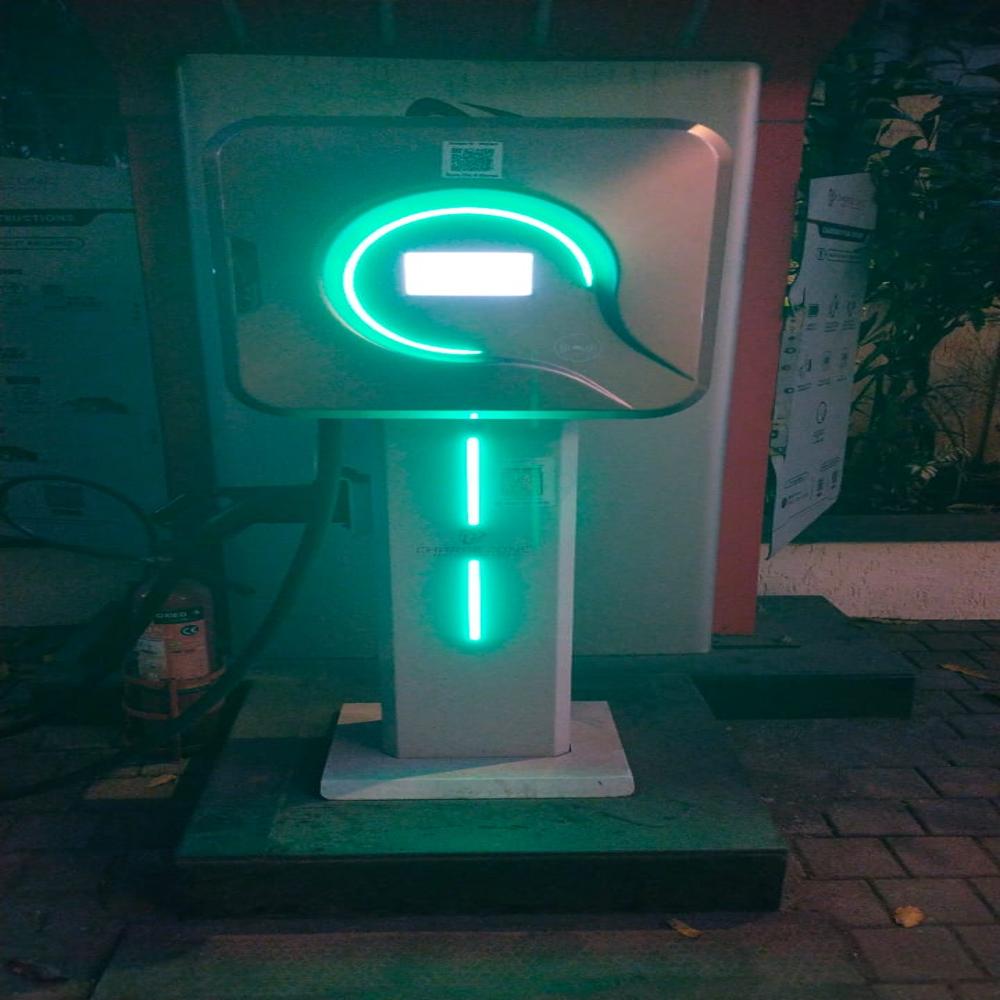
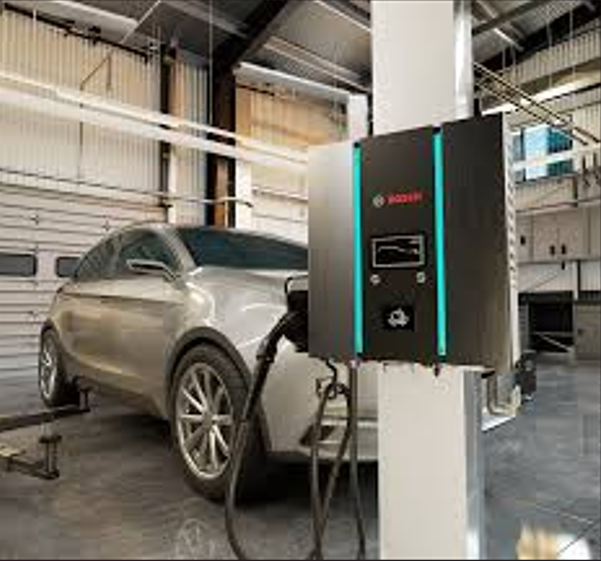
- User Interface: Typically a simple touchscreen or payment terminal displaying charging status, power delivered, time, and cost.
- Safety Systems: Include circuit breakers, residual current devices (RCD), and thermal sensors to automatically shut down in case of a fault.
Performance and Charging Speeds:
The 30 kW rating is a maximum. The actual charging speed is determined by the charger's maximum output and the vehicle's battery capacity and acceptance rate.
A "Rule of Thumb" for Range: A 30 kW charger can deliver approximately 100-120 miles (160-190 km) of range per hour of charging, depending on the vehicle's efficiency.
Real-World Charging Time: For a typical EV with a 60 kWh battery (e.g., Chevrolet Bolt, Nissan LEAF Plus, Hyundai Kona Electric) starting from 20% State of Charge (SOC):
Time to reach 80% SOC: Approximately 60 minutes.
Important Note: Charging speed is not linear. It is fastest when the battery is at a low state of charge and slows down significantly as it approaches 80% to protect battery health. This is known as the charging curve.
Key Features and Specifications:
Power Output: 30 kW (typically at a voltage range of 200-500V DC and up to 125A or 200A current).
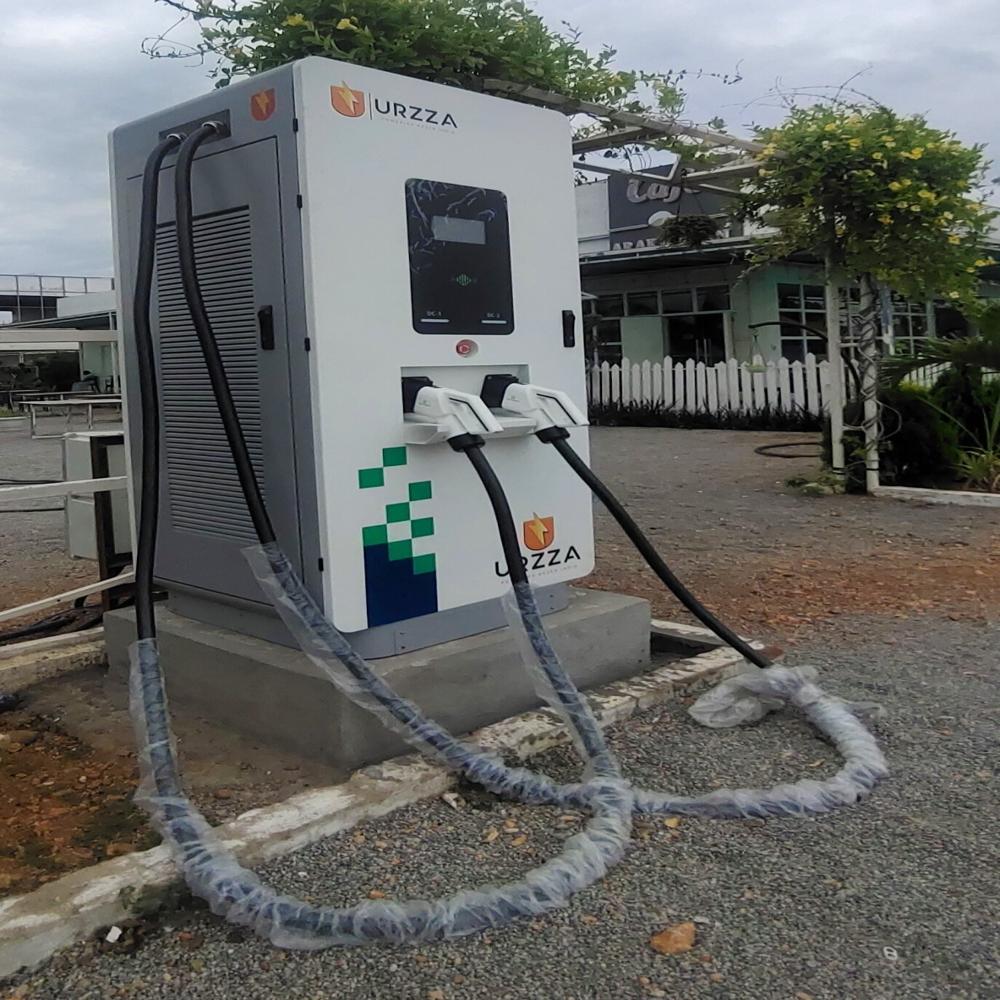
Connectors: Often features a dual-cable setup (e.g., CCS and CHAdeMO) to serve a wider range of vehicles. Some may have a single cable.
Input Power: Requires a 3-phase AC connection (e.g., 480V AC in North America, 400V AC in Europe).
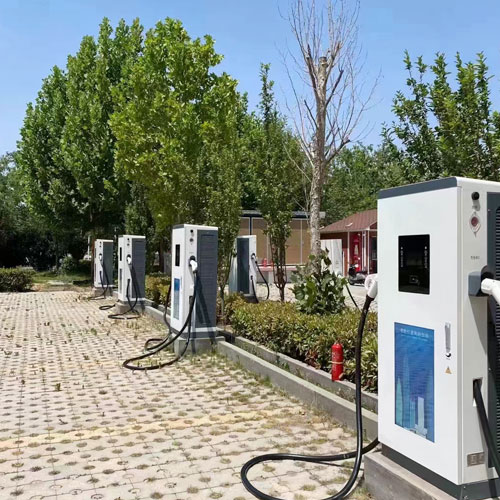
Physical Form Factor: Often a compact, standalone pedestal unit, making it suitable for urban and retail locations.
Ideal Use Cases and Applications:
The 30 kW charger is perfectly suited for "Destination Charging," where drivers are expected to stay for 30 minutes to several hours.
- Shopping Centers & Retail Parks
- Restaurants and Cinemas
- Fleet Depots for last-mile delivery vehicles (e.g., electric vans).
- Public Car Parks in town centers.
- Workplaces that want to offer a meaningful charge during an 8-hour workday.
- Highway Rest Stops as a supplementary, more affordable option alongside higher-power (150-350 kW) chargers.
Summary:
The 30 kW DC charger is a crucial and cost-effective piece of the EV charging ecosystem. It is not designed for the fastest possible "fill-up" on a long road trip but is instead the ideal solution for providing a substantial and convenient charge while people are going about their daily livesshopping, eating, or working. It effectively bridges the gap between slow AC destination charging and expensive, high-power highway charging.
Tell us about your requirement

Price:
Quantity
Select Unit
- 50
- 100
- 200
- 250
- 500
- 1000+
Additional detail
Mobile number
Email

More Products in Ev Charging Station Category
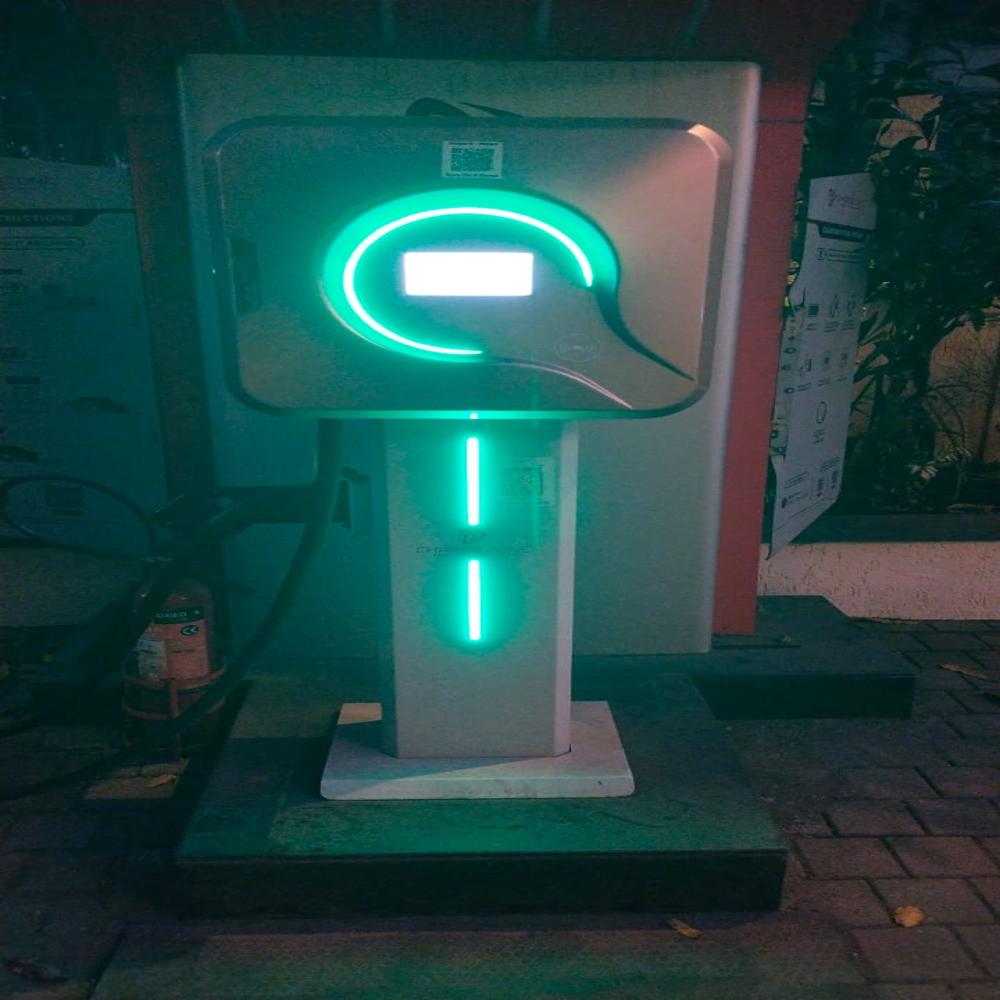
Electric Vehicle 11 kW AC Charger
Price 29000.0 INR / Piece
Minimum Order Quantity : 1 Case
Motor Power : 11 Kilowatt (kW)
Input Voltage : 230V/400V AC
Charger Type : AC Charger
Frequency : 50/60 Hz
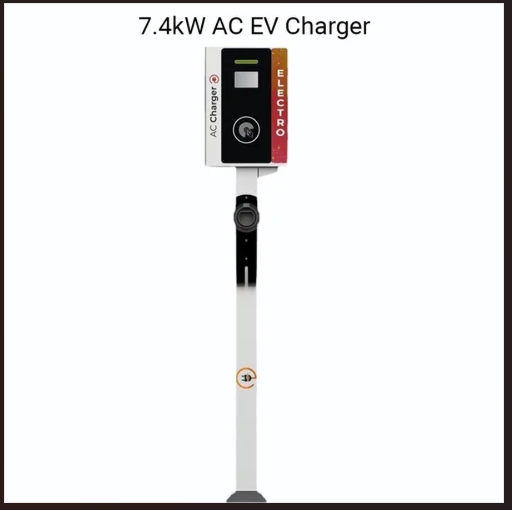
Electric Vehicle 22 kW AC Charger
Price 59000.0 INR / Piece
Minimum Order Quantity : 1 Piece
Motor Power : 22 Kilowatt (kW)
Input Voltage : 380415 VAC (Three Phase)
Charger Type : AC Charger
Frequency : 50/60 Hz
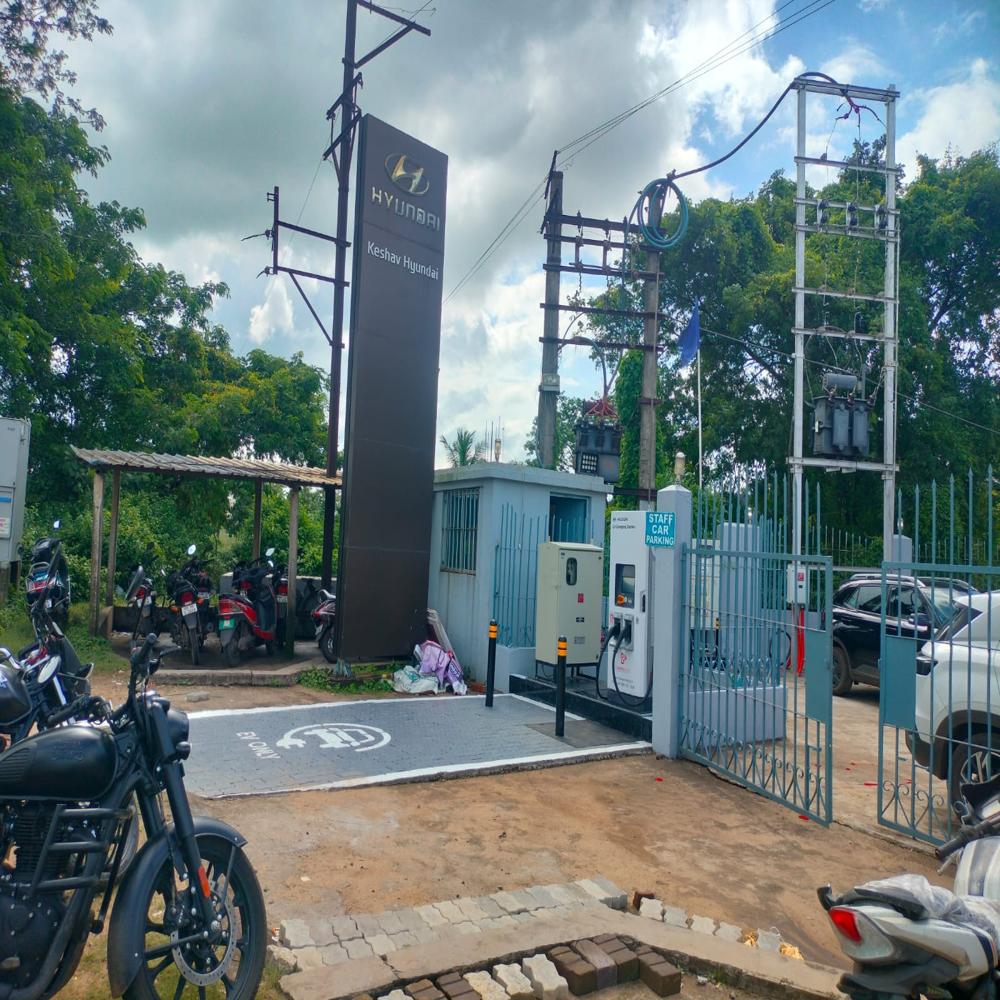
Electric Vehicle 60 kW DC Charger
Price 690000.0 INR / Piece
Minimum Order Quantity : 1 Piece
Motor Power : 60 Kilowatt (kW)
Input Voltage : 200500 Volt (V)
Charger Type : DC Charger
Frequency : 5060 Hertz (HZ)
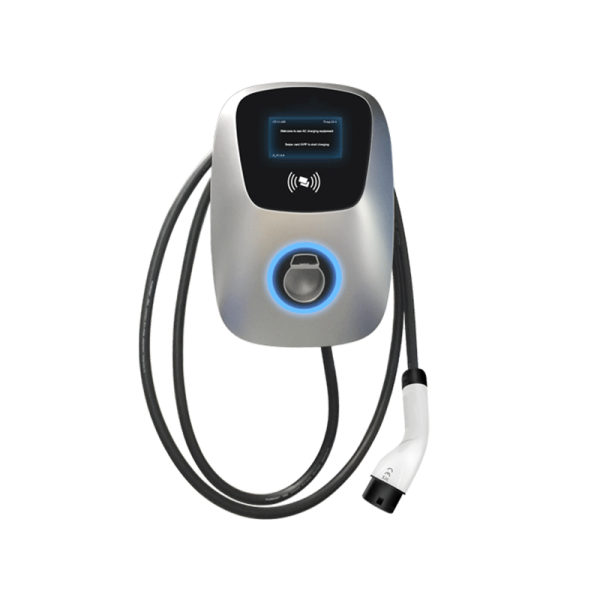
Electric Vehicle 3.3 kW AC Charger
Price 5500.0 INR / Piece
Minimum Order Quantity : 1 Piece
Motor Power : 3.3 Kilowatt (kW)
Input Voltage : 240 Volt (V)
Charger Type : AC Charger

 Send Inquiry
Our Products
- Printing Services
- Packaging Box Printing Service
- Epoxy Flooring Service
- Tags and Labels Printing Service
- Catalogue & Brochure Printing Services
- Book Printing Services
- Barcode Printing Service
- Business Card Printing Service
- Outdoor Led Display Screen
- Outdoor Led Video Wall
- Ev Charging Station
- Solar Panels
- Pharmaceutical Box Printing Service
- Cosmetics Packaging and Printing Service
- Food Packaging and Printing Service
- Electronic Packaging And Printing Services

A-412, Sussex Industrial Estate, Dadoji Konddev Marg, Ghodapdeo, Byculla East, Mumbai - 400027, Maharashtra, India

Mr Aniket Ashok Gaikar
(AVP Projects And Operations)
Mobile :08045811570
 Send Inquiry
 Send SMS
Developed and Managed by Infocom Network Private Limited.
